
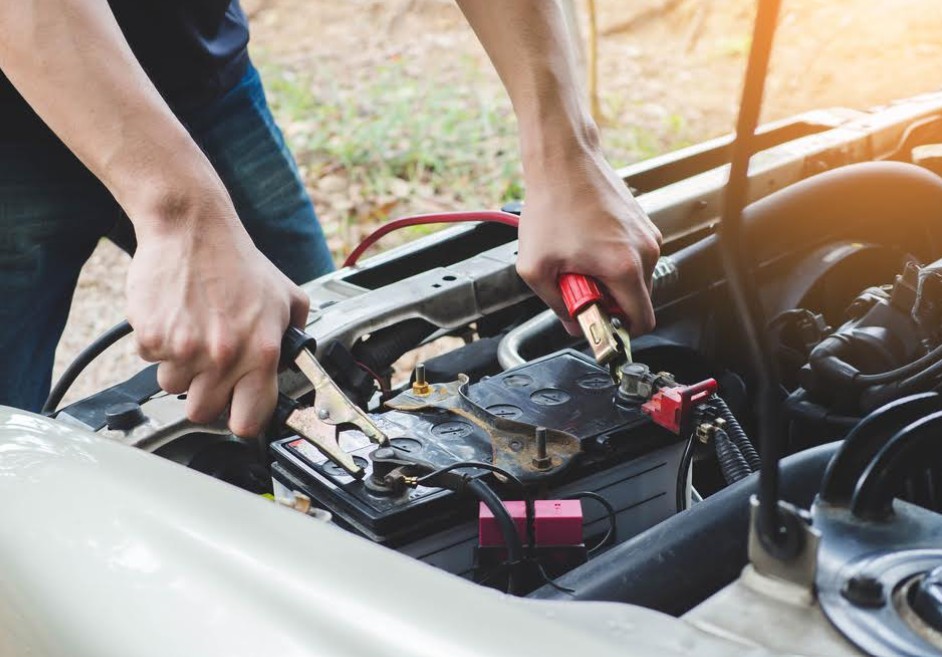

The idea of jump-starting a car with a dead battery is as old as the car itself. The principle is pretty easy to understand from an electromechanical standpoint. But for the junior mechanic or first-time fleet manager just getting his feet wet with modern automotive electronics, jump-starting can be a scary proposition. It can be even more disconcerting when an inexperienced pro uses a jump starter for the first time.
A jump starter is a portable device that takes the place of the rescue vehicle and jumper cables. In the old days, using a running vehicle to jump-start a dead one was fraught with danger. You had to do things in just the right way to avoid both personal injury and vehicle damage. So naturally, people who know nothing about jump starters think that they are just as dangerous to use. They are not.
Today’s jump starters are engineered for safety. Clore Automotive brands like Jump-N-Carry and Booster PAC have moved well beyond first-gen ‘dumb’ battery packs. They make modern and sophisticated jump starters that are designed around safety first.
Table of Contents
Built-In Spark-Proof Technology
One of the scarier moments of old-school car-to-car jumping occurred when the last cable was connected. There would almost always be sparks. That would be enough to scare anybody jump starting a car for the first time. Sparks are still a concern even with modern technology. Why? Because they represent a dangerous volume of electricity that could injure a technician or fry sensitive car electronics.
The question is this: how do modern jump starters address sparking? Professional-grade units come with advanced circuitry that forces them to remain cold until a proper connection is detected. In other words, the unit will not activate unless it is connected properly. A cold jump starter will not produce sparks.
This is accomplished through sensors that can measure a battery’s resistance and polarity. If the measurements don’t come back as expected, the unit will not power up. This safety-centered feature can be a great comfort to a junior mechanic or first-time fleet manager unsure if his connections are correct.
Built-In Reverse Polarity Protection
If sparks are the biggest fear in jumped starting a car, reverse polarity comes in a close second. Reverse polarity is a situation in which one or more cables are reversed – e.g., the positive cable from the power source is inadvertently connected to the negative terminal on the battery.
Reverse polarity can seriously damage a car’s alternator. It could melt a jump starter’s internal wiring. So how do manufacturers overcome this potential ‘oops’? With sensors capable of detecting crossed cables. If reverse polarity is detected, the unit will not engage. Instead, it will sound an audible alarm or show a flashing light. Polarity can be corrected before jump-starting begins.
Other Features for Your Safety
The best portable jump starters in the business offer additional safety features with it as well. Here are a few examples:
- Voltage spike protection to provide clean power during ECU flashing
- Over-charge prevention (preserves battery life and prevents boiling)
- Thermal protection sensors that shut down the unit if it gets too hot
Consumer-grade lithium jump starters that fit in your pocket don’t necessarily have all of these safety features built in. But for a professional-grade unit, the features are non-negotiable. There is no point in investing in a professional jump starter if it isn’t engineered for safety.
Whether you are a junior mechanic or a first-time fleet manager jumping into the auto maintenance pool for the first time, don’t worry about modern jump starters. They are engineered for safety.
