
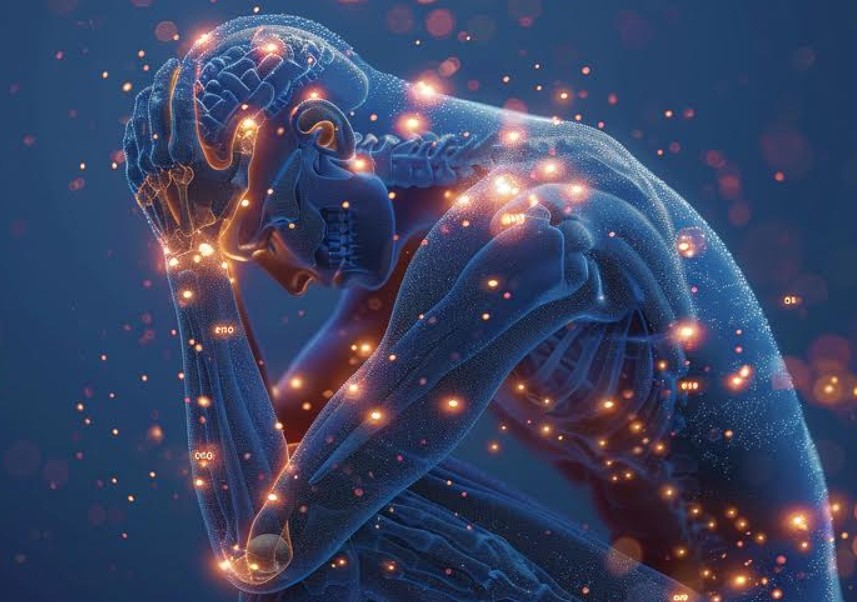

Treating chronic pain tends to follow a predictable roadmap: try medication, throw in some physical therapy, and plan to have surgery if the two do not offer significant relief. Surgery does not apply to non-specific pain – pain with no known cause – but it is sometimes offered as a final answer for conditions like spinal stenosis and herniated discs.
Surgery is often presented as a guaranteed fix. But that’s not reality. Plenty of patients go under the knife only to discover that they still experience significant pain after the fact. That is why pain management clinics, like Weatherford, Texas-based LoneStarPainMedicine.com, look at surgery as a last resort.
Surgery certainly has its place. But it is not always the safest or most effective path to a pain-free life. There may be other treatments above and beyond physical therapy and pain medications. Injection therapies and spinal cord stimulation are just two options that come to mind.
Table of Contents
Pain Is a Complex Beast
Pain is a complex beast that cannot always be fully understood through an MRI alone. For example, consider pain related to some sort of spinal injury or deformity. An MRI might reveal a bulging disk or a bone spur. But that doesn’t mean that whatever the scan picked up is the root cause of the patient’s pain. That is why a patient can undergo perfectly executed surgery only to still have significant pain in the weeks and months following.
A condition known as Failed Back Surgery Syndrome typifies this sort of outcome. A patient undergoes repeated surgeries but never feels any better. So for a pain medicine doctor, proper diagnosis is the key to determining whether surgery is appropriate. A doctor could use a diagnostic nerve block, by way of injection, to confirm the root cause of a patient’s pain before talking about surgery.
Surgery Is an Invasive Procedure
Even when surgery is a good treatment candidate, it may not be the best option. The thing to remember is that surgery is invasive. As such, it carries with it certain risks that both patient and doctor must consider. Spinal surgery to correct issues with the back involves:
- Structural Changes – Removing or fusing vertebrae changes the mechanics of the spine permanently. Ditto for removing herniated disks. Such structural changes can lead to additional problems above or below the surgical site, causing pain down the road.
- Scar Tissue – The body creating scar tissue is a normal healing process after surgery. Yet scar tissue can inadvertently press on the very same nerves the surgeon was attempting to free up. So now the disk or bone spur is gone, but scar tissue is still causing pain.
- Recovery Times – Recovery from surgery tends to take several weeks to a few months. In the meantime, a patient can experience muscle atrophy and a decrease in physical conditioning. This could lead to less strength in the back and ultimately more pain.
None of this is to say that surgery is inappropriate in every case. It is not. Surgery is sometimes the most effective tool for relieving pain. But it’s not always.
Alternative Interventional Therapies
Pain management doctors often refer to their treatments as ‘alternative interventional’ therapies. They include things like epidural steroid injections, radiofrequency ablation, and spinal cord stimulation.
Such therapies offer a good balance between aggressive a noninvasive treatment. They help preserve the body’s natural anatomy well, also minimizing risk and speeding up recovery times. For someone experiencing chronic pain who doesn’t want to subject himself to surgery, an alternative intervention might be the key to feeling better.
